Monday, 15 October 2018

Should I Exercise With Lung Cancer?

Exercise during active treatment for lung cancer and long after should be a piece of your treatment puzzle. The American Lung Association reports that "moderate exercise during lung cancer treatment can improve fatigue, anxiety, stress, depression, self-esteem, cardiovascular fitness, muscle strength, gastrointestinal side effects and breathing." It can also help you build up your endurance, making you more resilient to the rigors of treatment, Michaels says.
"Sometimes we'll set people up with pulmonary rehabilitation if the doctor wants to increase their fitness prior to surgery," says Scott Marlow, a respiratory therapist at the Cleveland Clinic. Pulmonary rehab includes breathing, stretching and relaxation exercises and is more commonly used for patients with COPD. But it can have some applications for lung cancer patients who need to boost lung capacity. Rehabbing before surgery may speed recovery after surgery and reduce the length of time you'll be in the hospital.
How to Start
Before you begin exercising, speak with your doctor about any specific limitations you may have and what's recommended for your particular situation. There's lots of variation in types and stages of lung cancer and its treatment, with various side effects that could impact what you're able to do.
Once you're cleared for exercise, the key to getting started, especially if you weren't physically active prior to your diagnosis, is "start small, make a little goal and slowly build that up," Marlow says. "One of the things we have to be careful of is for someone to not all of the sudden throw themselves into something too quickly and wear themselves down by overdoing it. We want to make sure they're eating healthy, and we don't like to change too much all at once," he says.
To make sure she's starting her clients off in the right way, Michaels says she typically conducts a one-on-one fitness assessment "to see where they're at and to see if they have preexisting conditions" that might restrict which exercises are good options. For example, "someone who has arthritis and has had a hip replacement may need different exercise from someone who doesn't have any preexisting conditions. So, I like to do a full assessment on the person with lung cancer." Marlow adds that if you have heart disease as well, that can also alter what kinds of exercise would be best and how much you should be doing.

In addition, "everyone heals differently," so your program should be scalable for your needs, Michaels says. "Sometimes people have a partial lobe removed and they actually have reasonable endurance whereas someone else could have the same surgery and just be very deconditioned. Each person with lung cancer really needs, to some extent, an individualized program."
 
What to Do
The biggest issue for most people going through treatment for lung cancer is fatigue and a lack of endurance, Michaels says. Particularly if you've had a substantial portion of a lung removed, that can impede your ability to breathe freely, so starting small and progressing in the duration and intensity of exercise is the best way to ensure you don't hurt yourself.
You should also consider what you like to do for exercise. "Any type of exercise" is better than none, Michaels says, but as you get stronger, you'll have more options. Think about what you'd find fun, as you're more likely to stick with something you enjoy doing over the long-term. "The best exercise to do is the one that you like to do."
 
Other Fitness articles
 

Thursday, 11 October 2018

How to choose the right Home Exercise Equipment?

What is my fitness goal? Or why do I wish to work out?

This is the most important aspect in helping you determine the kind of equipment you need. Your individual goals can spread from losing weight, staying in shape, strengthening muscles, increasing stamina or even getting those six pack abs that would make women drool over you. Pick and choose your goals wisely as you are making an investment for yourself and you should not be bored with it within a short period of time.


How much space do I have in my flat / apartment / house?

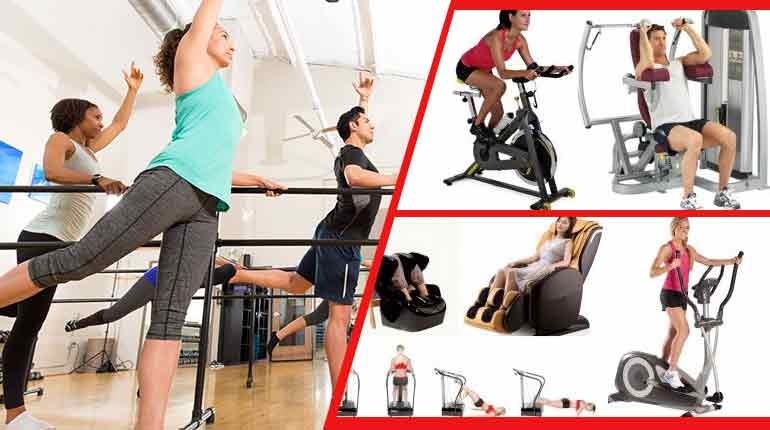
You may dream of building a fully equipped gymnasium in your house, but it will last only till you open your eyes to realize that you may not have sufficient space. It is very important that you designate a specific space to the work out equipment as you do not want to assemble them on a daily basis and waste the time that you are actually saving on the commute. Based on your fitness goal and the amount of space available you can now identify what would suit your needs, a treadmill, an elliptical, weights or exercise bike.


What is the amount of money that you are willing to spend?

Lastly you need to decide on a budget that you are willing to spend on your health and fitness goals. While determining the budget, do keep in mind that you are purchasing house workout equipment to save your time and to ensure that you build routine and that you can stick to it. Also , the investment would be a long term investment hence, try and keep your budget little flexible as you would want to invest in something that keeps you interested and also helps you achieve your goals over a period of time and not just immediate goals.


How to choose the right equipment for yourself?

The best way to choose the right equipment is to ensure it fits in all the above three criteria’s – it should help you achieve your goal, it should fit in the available space in your house and it should not burn a hole in your pocket. Once, you have identified something that meets the above credentials, look at customer reviews for online purchases and then place the order. Customer reviews are generally honest and would tell you the exact performance of the equipment. They would also tell you the true quality of the product, which may sometimes be misleading due to the images posted by online sellers. However, if you are willing to purchase it in person, tag along someone who has knowledge about the equipment and which equipment can help you achieve your goals.
Original article

Monday, 8 October 2018

Use a massage chair to enhance your sex life

Use a massage chair to enhance your sex life

There are ample combinations you would think about that seem to relate quite well but I know you never imagined massage chair and sex could make a perfect match. You are not dreaming because this pair can take your sex life to a level that you fantasize about. A lot has been said and even more done in an aim of getting sexually satisfied. Mind-blowing orgasms have been a fantasy, innovative positions turned into a disappointment, scented candles appearing pretty old school but one thing that barely gets attention is massage. 

Enhances relaxation
As awkward or unrealistic as it may seem, using a massage chair to enhance your sex life is absolutely a plus none the less. Why so? Be attentive as you keep reading because amazing sex, bonding and great intimacy with your partner can be achieved through a massage. To begin with, a steamy sex session with your partner requires you to be relaxed. So before you think of that sensual touch by that person who makes your blood rush, get on the massage chair and let it massage your body. After this, you will feel more refreshed and ready to take the task. 

Reduces anxiety
Engaging in sex is likely to cause anxiety especially if it is the first time. However, it is now that you stopped letting your worries take the better part of you. Enjoy a couple of minutes on the massage chair and you will no longer be anxious. Additionally, there might be an issue of concern that might be stressing you out. There can never be an indelible sex experience if your mind is focusing on other issues while your partner is working effortlessly to satisfy you. How unfair could this be? To avoid this, just spare a moment for a session to release your stress. This is because a massage tends to reduce the stress hormones which are known to lower libido. The massage will enhance your concentration during the sexual activities and I can wholeheartedly assure you unforgettable orgasms. Isn’t that the climax for incredible sex? You only need a massage chair and the rest will flow accordingly. 

Sunday, 7 October 2018

Importance of Exercise?? Why Exercise is Beneficial?

Importance of Exercise?? Why Exercise is Beneficial?

Have you ever given a thought to why exercise is beneficial? We think exercise is a way to remain fit and healthy. But, the list just does not end here itself. Before doing any kind of exercise, you should know the importance of it. Some of the beneficial points on exercising are listed as under:
1. Slim and active
Losing weight and remaining fit is what everyone desires. Exercise helps in losing weight and shedding extra pounds from your body. Managing weight is utmost important because as you gain weight, many diseases tend to move with you.

2. A fun thing

Exercises are always fun to do. Try out new workouts and moves and you feel so much more refreshed. People normally opt for simple exercises in the morning like brisk walking, jogging, running out in the open air and it can make your day energetic and bright. 

3. Stamina and energy

Why workout might be a question that can pop up in people’s minds. Exercising is better than having a cup of coffee for releasing stress. 

4. Socialising with people

Not just physical health, but people also get an advantage in the form of making new friends and making new people. When you go out to the playground, there are different people exercising and you can socialise with them freely. You can join a sports club or associations and try out newer exercises. 30 minutes of exercise is just enough for the whole day.

5. Curing of long-term illness and maintaining health

When you exercise, you can keep many diseases like heart diseases and cancer out from your reach. The cholesterol level in the body is decreased which does not allow health issues to enter your body. Heart diseases are most common when one can face when you do not exercise frequently.

Thursday, 4 October 2018

Weight Loss: 5 High-Protein Post-Workout Snacks You Can Try

Weight Loss: 5 High-Protein Post-Workout Snacks You Can Try

Post-workout foods: Here are some protein-rich snacks recipes you can try post-workout

Weight Loss: 5 High-Protein Post-Workout Snacks You Can Try
 
1. Besan chila

 Besan (gram flour) is a very healthy flour to cook with and is packed with weight loss-friendly protein. Here's a quick and delicious recipe that is sure to impress.
2. Quinoa Pancakes
Quinoa is another recommended post-workout snack option for its high protein content. Try these easy-to-make pancakes topped with fresh fruits, for a more filling experience.

3. Spicy Soya Bhurji
This low-calorie protein-rich snack can be eaten alone or be used as a filling in sandwiches. If your spice tolerance is not that great, you can keep it mellow as well.

4. Grilled Herb Chicken Breast With Honey And Asparagus

A stellar recipe packed with the goodness of grilled chicken marinated in honey, thyme, lemon and served with crisp asparagus and potatoes. There, we saw you slurping!
5. Dailya
COMMENT

Daliya makes for an excellent source of protein. Daliya is also high on weight loss-friendly fibres and low on glycemic index. You can mix daliya with milk, or make it savoury.

Tuesday, 2 October 2018

THIS TWO MINUTE WORKOUT IS JUST EFFECTIVE AS 30 MINUTES OF SPINNING

With summer body goal-led workout regimes well and truly underway, many of us are left thinking that the key to a rock-hard, sculpted body worthy of any Victoria's Secret model is countless hours of exercise. But, much to our relief, a new study has found that a few minutes of hard-core training could very well replace a whole exercise class.
As spotted by Harper's BAZAAR UK new research by Victoria University has found that just two minutes of high-intensity exercise—better known as HIIT—could be just as beneficial to your health as a 30 minute spin class.
Asking participants to take part in three exercise sessions of varying intensities during a set amount of time—leaving at least seven days of rest in between each session—researchers observed their energy output within each activity, as well as their post-workout results to determine which method of exercise was most beneficial.
Looking at biopsy results, it was found that the mitochondria—the energy generators of each cell—in each participants' thigh muscles looked almost identical after both long periods of moderate exercise and short bursts of high-intensity exercise.
Or, as researchers put it: "In conclusion, intermittent exercise performed at high intensities has similar dynamic effects on muscle mitochondrial function compared with endurance exercise, irrespective of whether total workload is matched."
After wrapping up their study, researchers determined that we can absolutely be tweaking our workouts to our own levels of fitness and exercise preferences and still achieve our personal health goals:
"This suggests that exercise may be prescribed according to individual preferences while still generating similar signals known to confer beneficial metabolic adaptations."

Monday, 1 October 2018

4 Ways You Need to Change Your Workout When You Get Pregnant

pregnant-woman-working-out

Grab Smaller Dumbbells (But Keep Lifting!)
Research in the journal Physical Activity and Health shows that women who did moderate-intensity resistance training plus aerobic exercise (about three days a week for 30 minutes at a time) had lower rates of pregnancy-related hypertension and diabetes compared with those who didn’t lift. Just don’t hold your breath or hoist a load to the point of straining—both of which can create extra pressure in the abdominal area and pelvic floor, says Brianna Battles, a strength and conditioning coach and the founder of the Pregnancy & Postpartum Athleticism program.

Switch to the Talk Test


Pregnancy creates changes throughout your cardiovascular system, so monitoring heart rate with a tracking gadget isn’t the best way to assess how hard you’re working, says Carrie Pagliano, a doctor of physical therapy and a board-certified clinical specialist in women’s health physical therapy. Instead, use the talk test and dial down your intensity to moderate. “If it takes you more than a minute to catch your breath and hold a normal conversation, you are probably working too hard,” says Pagliano.
Take It Easy On Your Abs
“During pregnancy, you really don’t need to do ab-focused exercises—in fact, at some point they can do more harm than good,” says Battles. Chalk that up to your expanding belly. “The fascia of the linea alba [connective tissue that runs down the midline of the abdominal wall] has to make room for your growing baby, and crunches will add pressure to an area that’s already under stress,” she explains. Besides, being in a face-up position is not advised after the first trimester (unless you use a wedge to prop yourself up), since your expanding uterus can compress the vena cava, the major vessel that brings blood to the heart. As for planks, they can increase downward pressure on abs. Instead, doing lunges and squats should work your abs (and pelvic floor) sufficiently, says Battles. (Or try these 7 Prenatal Pilates Exercises to Safely Strengthen Your Core During Pregnancy.)
Take a Break from High-Impact
It’s not bad for baby—in a healthy pregnancy, she’s got plenty of cushioning—but your pelvic floor can be at risk, says Battles. Too much impact can intensify the downward pressure on these muscles, setting you up for potential complications like incontinence or other issues with weakened pelvic support. (Instead, hit up a barre class. After all, that's Pippa Middleton's pregnancy workout of choice.)